How My Creative Business Really Started (and Why Brand Stories Matter More Than Ever)
There Was No Big Launch Moment
People often ask when my business started.
The honest answer is: I don’t really know.
There was no big launch, no grand plan, and originally, no “I quit my job and followed my passion” moment. What there was, instead, was a long thread of creative work, curiosity, necessity, and adaptation stretching all the way back to the late 1990’s.
And that’s exactly why brand stories matter. Because most real creative businesses don’t begin with certainty. They begin with resourcefulness.
The First Thread: Art School, Rent, and a Bookshop on Charing Cross Road
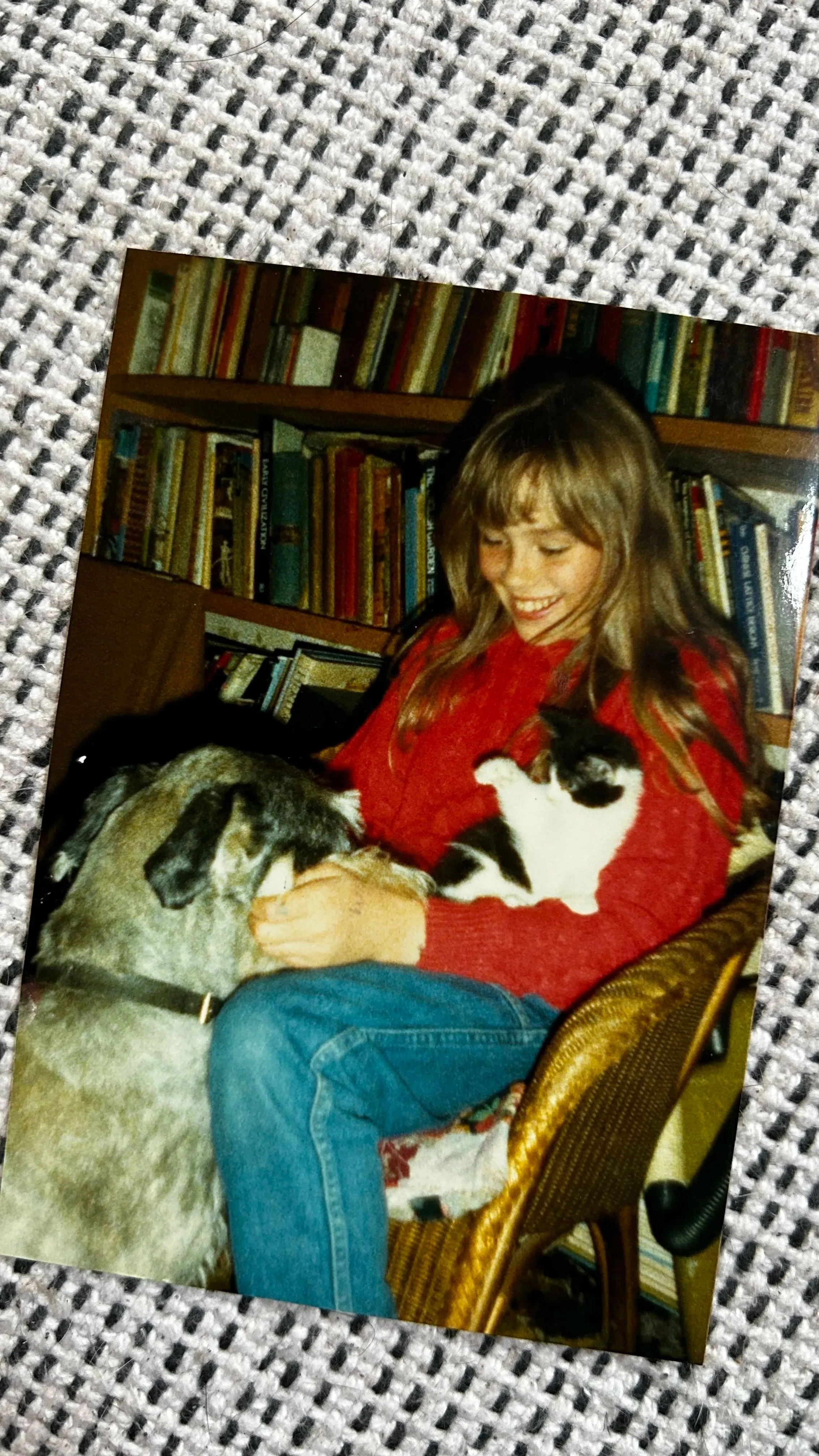
I left art college in ‘96 without a job and without the luxury of “waiting to see what happens.” I needed to earn money, not a lot, just enough to pay my bills and I asked myself a very practical question:
If I’m going to do something for a small amount of money, what would I actually enjoy doing?
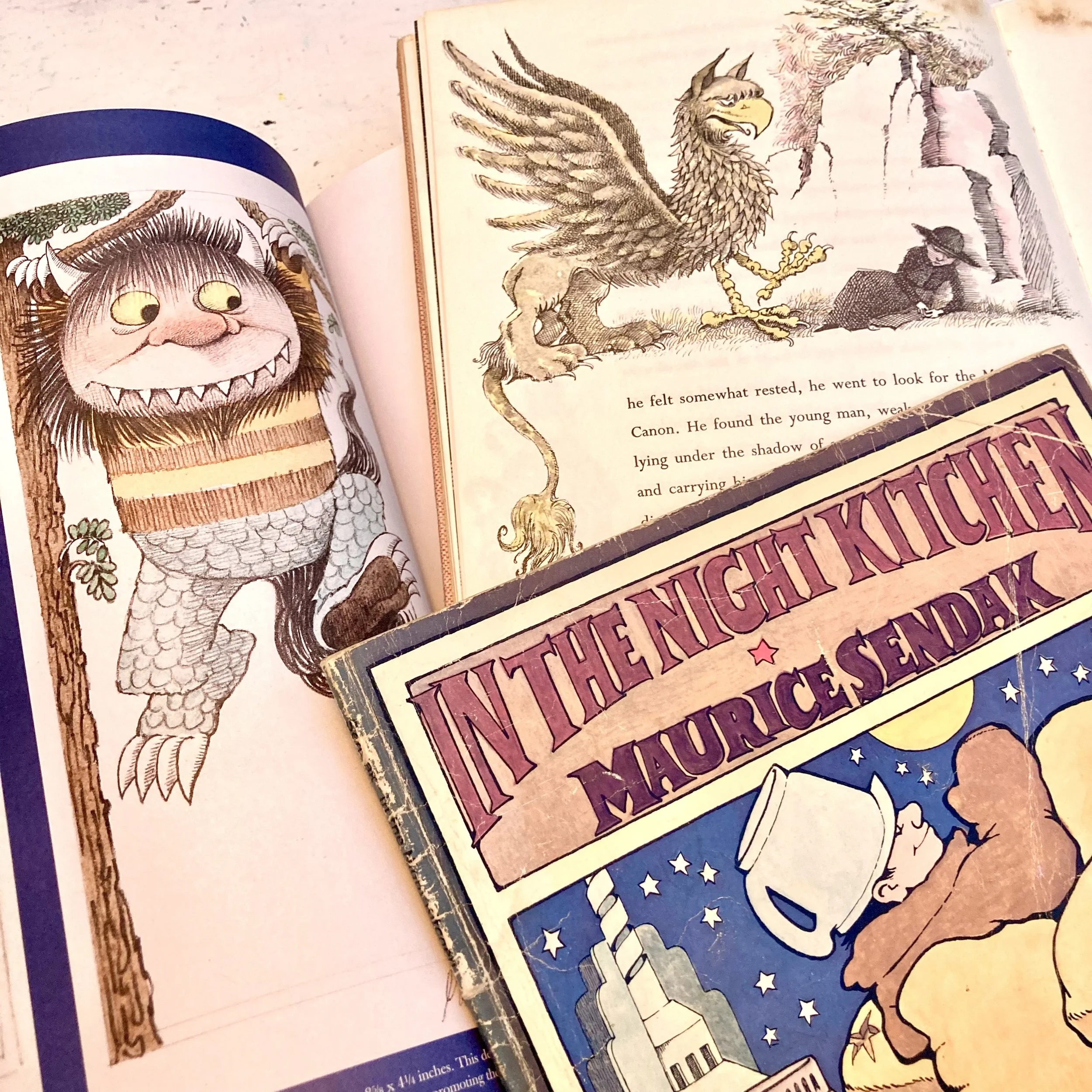
The answer was obvious: books.
But not just any bookshop.
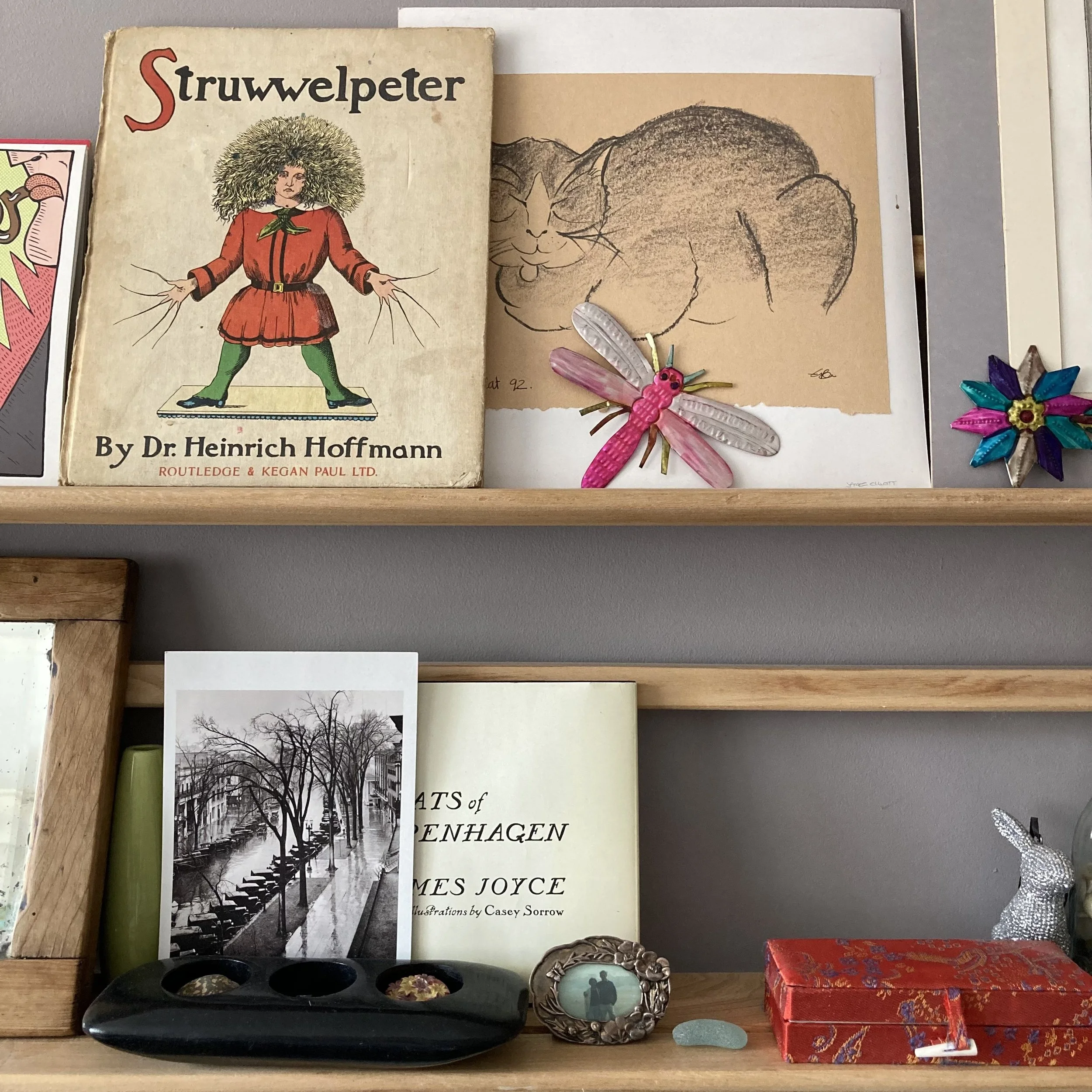
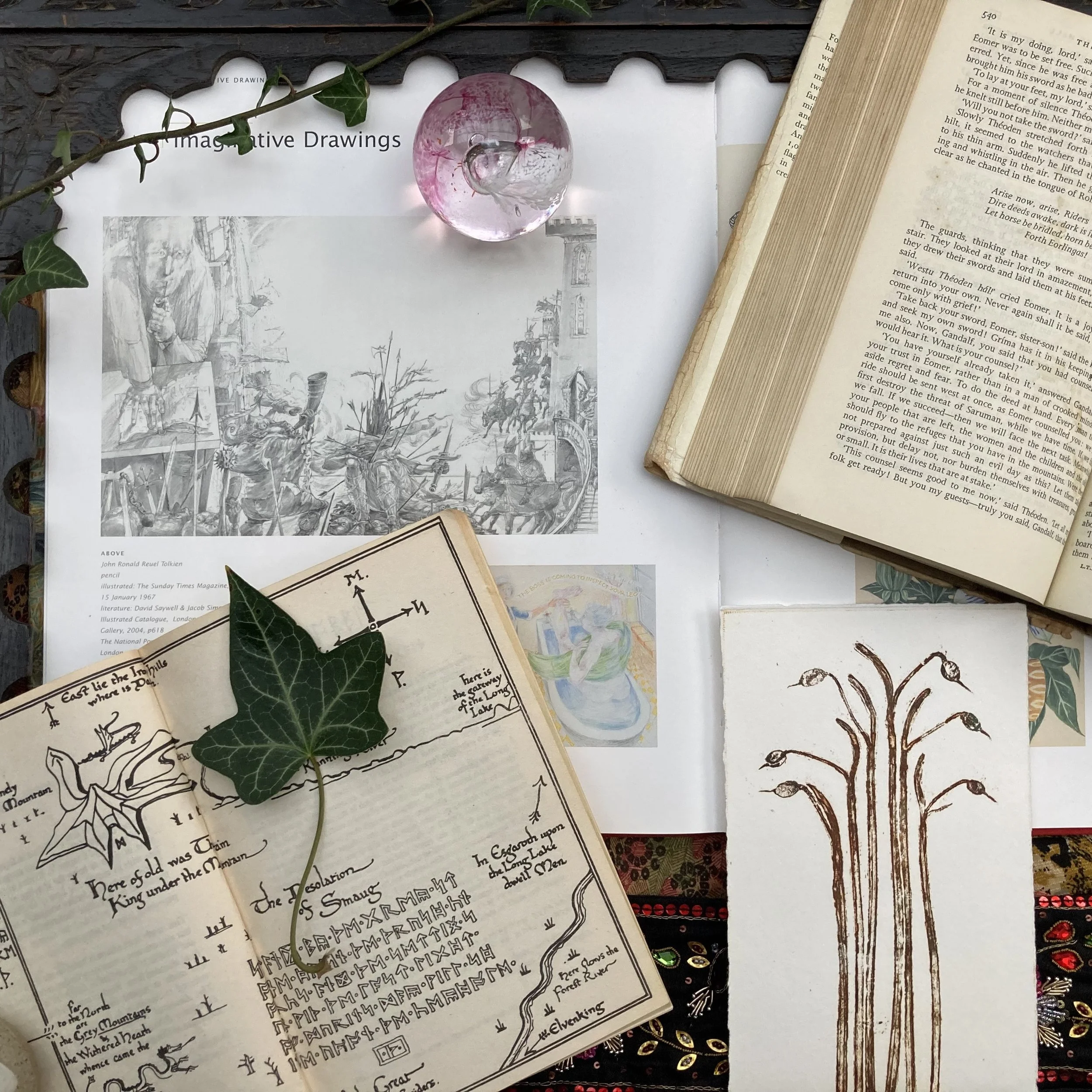
I went to my favourite bookshop in London, Zwemmer’s on Charing Cross Road (two shops on opposite corners: photography and graphic design in one, fine art in the other). I used to spend hours there anyway, absorbing photography books, design books, visual culture. So I walked in and asked if there was a job going.
There was.
In 1996 I ended up working for the legend that was Claire de Rouen, and suddenly I was immersed in a world of serious photography, design, and visual literacy. Customers didn’t browse casually they asked specific questions about photographers, bodies of work, editions, histories. I had to learn fast. And I loved it.
That year quietly set the tone for everything that followed:
deep visual knowledge, real-world expertise, and learning by doing.
From Bookshop to Photo Libraries: Learning the Industry From the Inside
While working at the bookshop, a catalogue arrived one day from a picture library. I remember thinking: that looks interesting.
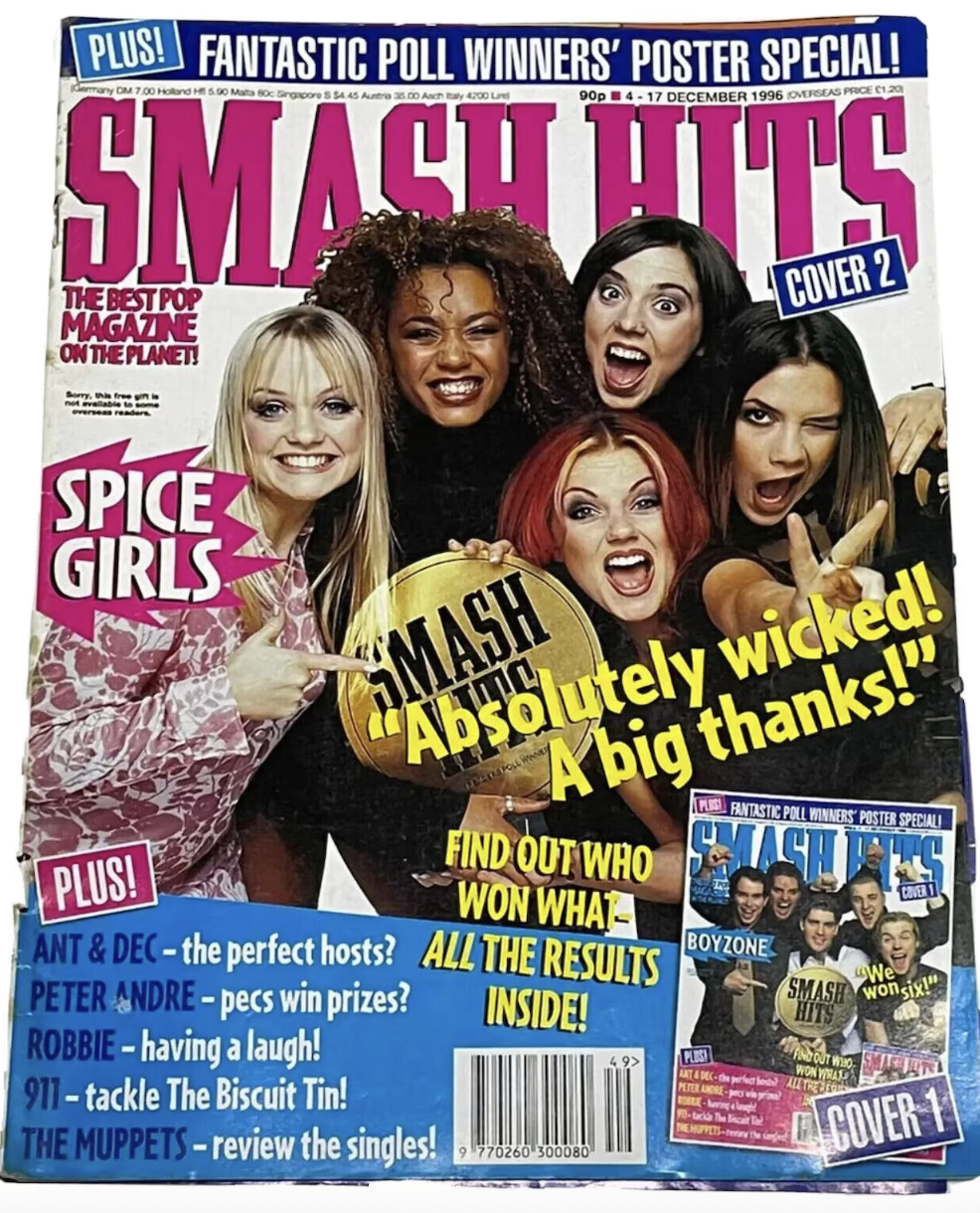
Retna Pictures, held mainly music photos like the ones in magazines like Smash Hits
Not long after, I spotted a job at Michael Putland’s agency Retna Pictures in Charlotte Street and got it. This was pre-digital publishing. Photographers archived their negatives with libraries; magazines sent researchers; images travelled by bike courier across London.
My first role was basic: answering phones, packing images, filing negatives. But then computers arrived. Early Apple Macs. Early digital workflows. And because I’d used Macs at college, I became the “Apple Mac person.”
Suddenly I was receiving digital images, categorising them, distributing them to researchers, sending pictures from red carpets and events like the Oscars to newspapers across the UK. It was fast, demanding, and highly visual and it trained my brain in systems, structure, and speed long before those words were trendy.
Newspapers, Freelancing, & an Early Work-From-Home Life
Through contacts at the photo library, I began working directly with newspapers and magazines. I covered news, travel sections, features, film reviews. I ran between departments, post rooms, picture desks and eventually secured regular freelance shifts on national papers.
Life as a Work-from-home Mum
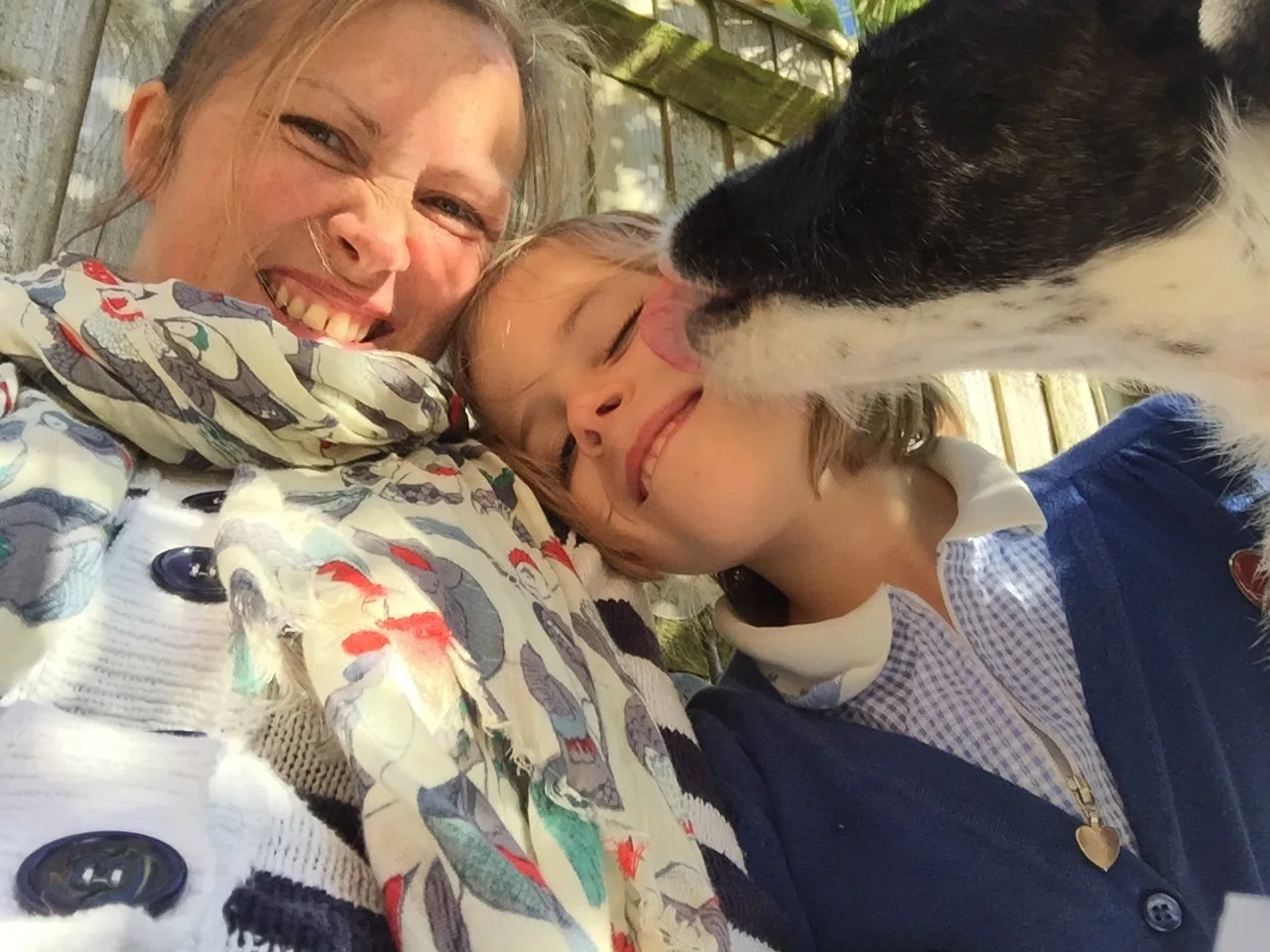
By the time I had my first child in 2005, the industry had gone fully digital. Which meant something radical for the time: I could work from home.
Long before remote work was normal, I was indexing film stills, researching images, captioning, and sending content directly into newspaper systems, two or three days a week, on good London day rates, while raising small children.
It worked. For years.
But I could also see the writing on the wall. Redundancies. Shrinking offices. I knew instinctively that this phase wouldn’t last forever.
Returning to Design & Accidentally Finding Websites
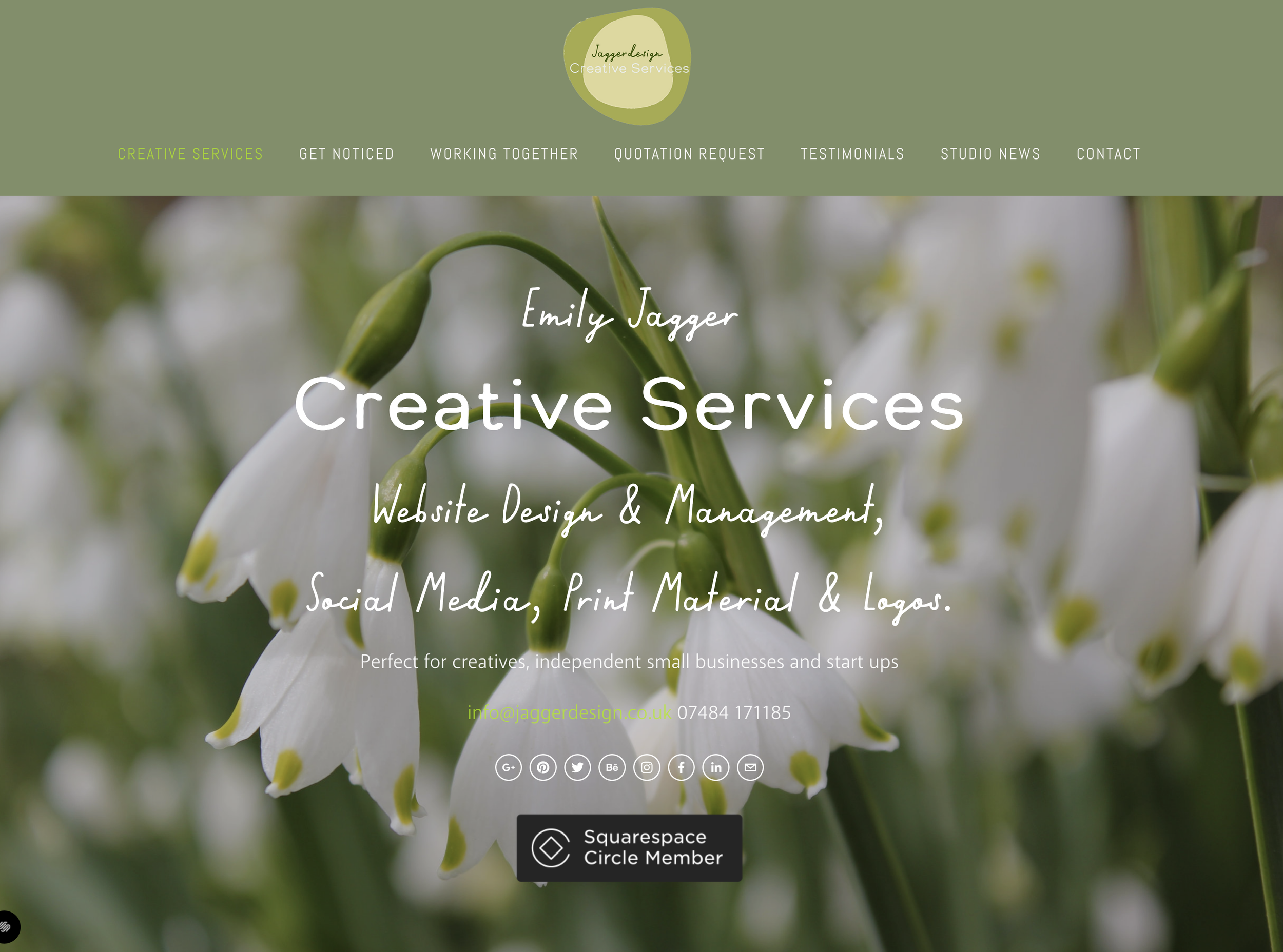
My original Jaggerdesign website
So I went back to my roots. I took evening classes in Illustrator and InDesign and started picking up small bits of graphic design work.
Then people began asking:
“Do you do websites?”
I didn’t code. I tried WordPress and hated it- it felt clunky, overcomplicated, hostile. Then I discovered Squarespace, and something clicked. It was visual. Intuitive. Structured in a way my brain understood.
One of my first website clients was a Reiki practitioner and she’s still my client today. Word spread. Friends asked. More clients followed. What started as a supplement to my freelance picture research work slowly became its own thing.
Jaggerdesign was born not from ambition, but from alignment.
Full Independence, Covid & the Cost of Carrying Too Much
By 2017, the picture research work ended completely. I was on my own financially, still parenting, still working from home, still juggling limited time and energy.
Then Covid.
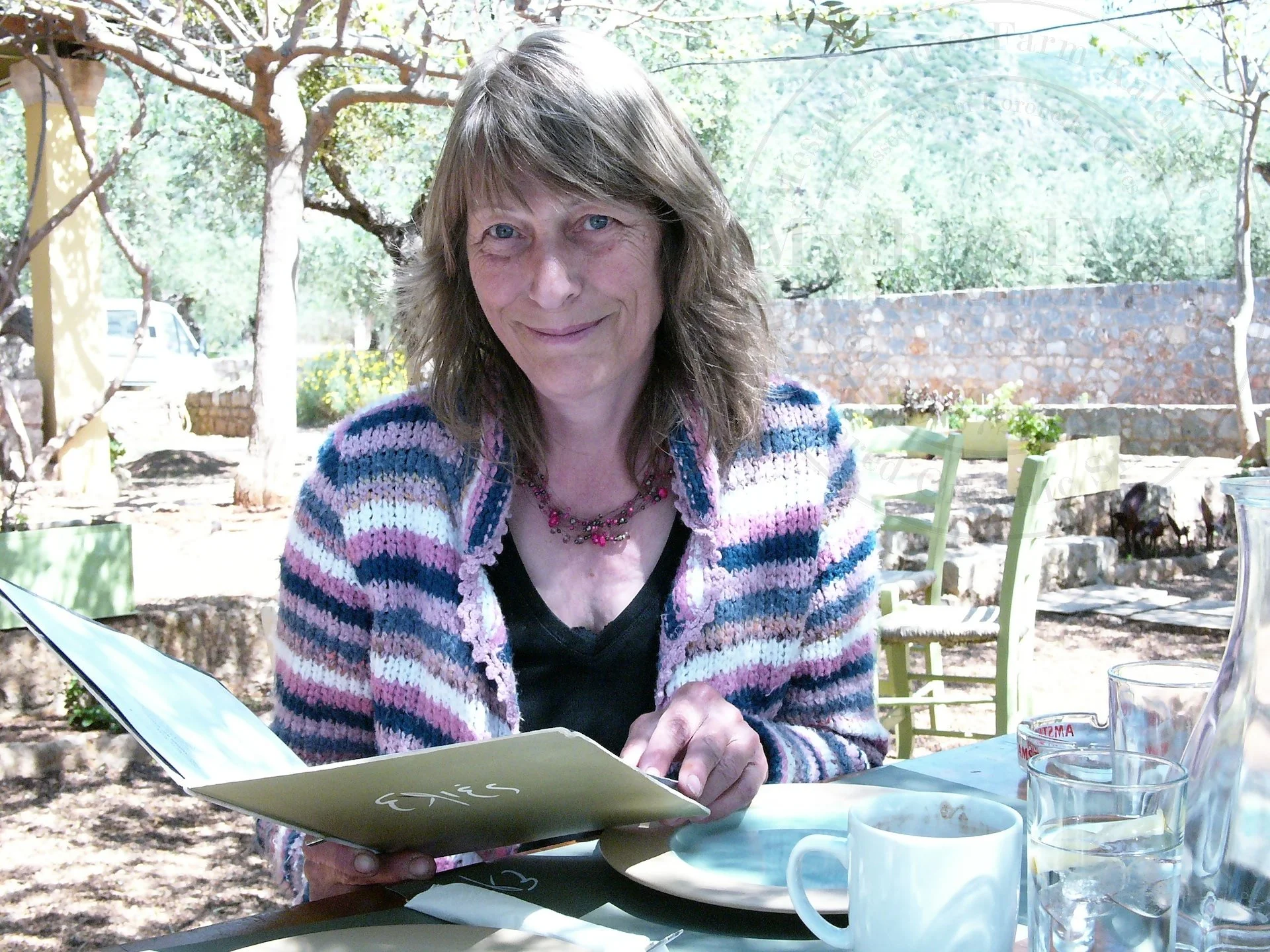
My lovely mum, Sarah Don
Ironically, work picked up. People pivoted. Businesses needed websites. I was busy while also homeschooling teenagers and holding everything together like everyone else.
But underneath that productivity was unresolved grief. My mum had died in 2017, and for the following five years and throughout lockdown, I dealt with complex legal issues in Greece alongside the slow, heavy work of grieving. It drained more energy than I realised at the time.
The Wrong Job & the Right Wake-Up Call
In 2024, I decided I needed more financial security and took a full time, office based marketing job. On paper, it made sense.
In reality, it was a disaster.
The environment was toxic. I was shouted at, overworked, constantly pressured to produce growth without time or strategy. It taught me a lot, about systems, speed, resilience but it also showed me exactly how I never want to work again.
I left in June 2025.
And something unexpected happened…
What I Do Now & Why This Story Matters
Since leaving that job, work has flowed in. I say yes more easily. I work faster, but with more care. I’m clearer about my boundaries, my pricing, and who I’m for.
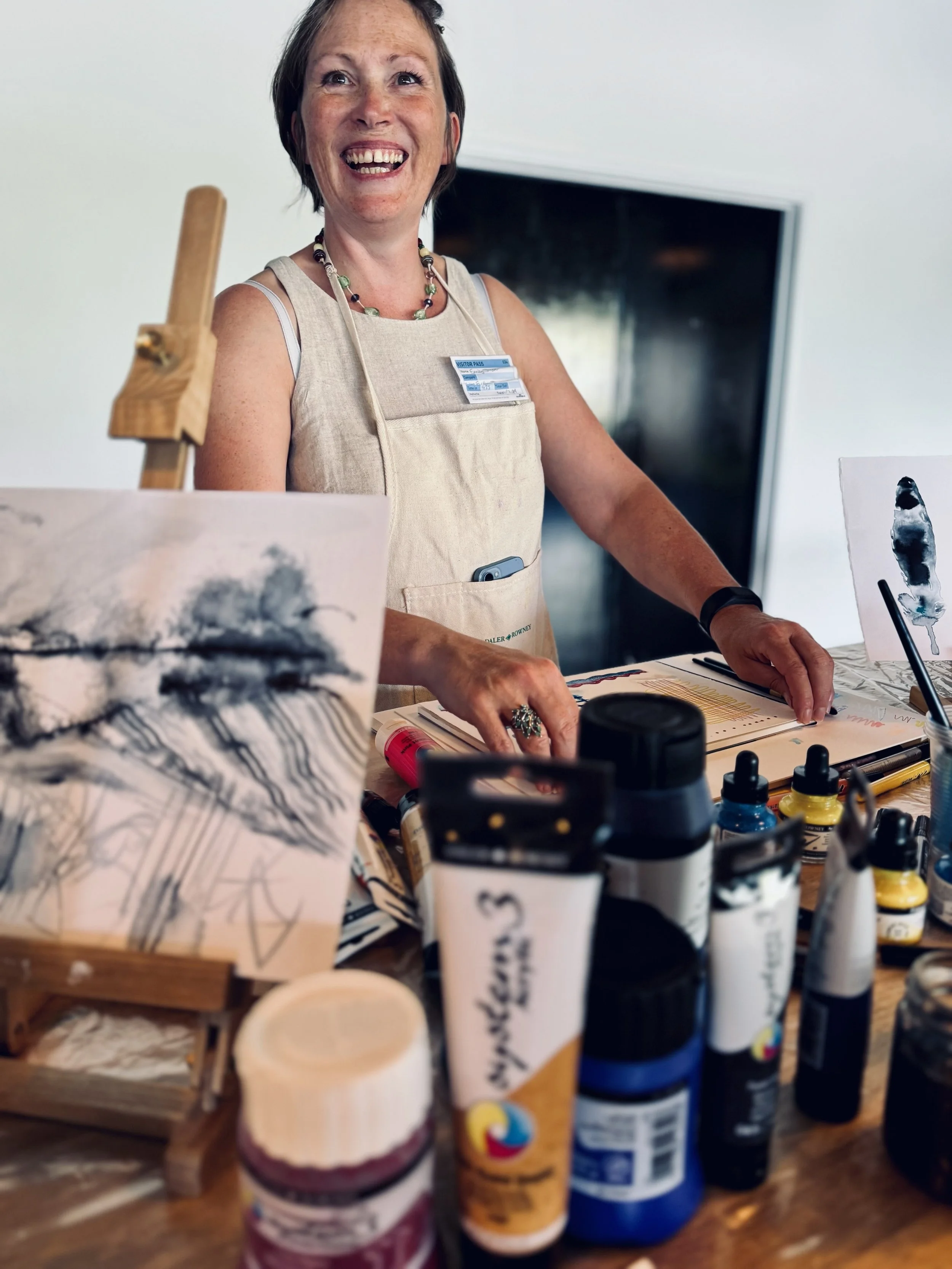
I now work primarily with creatives, artists, and wellness professionals, people who are talented, capable, and tired of pretending their work should be easy to package or explain.
I help them build Squarespace websites and marketing systems that reflect who they actually are, not who the internet tells them to be.
And this is why brand stories matter.
Because trust doesn’t come from polish.
It comes from continuity.
Your story doesn’t need to be neat. It needs to be true.
Why Brand Storytelling Builds Better Websites
A clear brand story:
helps clients recognise themselves in your work
gives your website emotional coherence
makes marketing feel less performative and more grounded
turns experience into authority without shouting
Your website isn’t just a shop window. It’s a narrative space. And when that narrative is honest, people stay longer, read more, and reach out with trust already formed.
Want Help Structuring Your Own Brand Story?
This blog is the first step in something I’m building:
a simple, adaptable blog template that helps creatives tell their own story — with structure, SEO guidance, and prompts that work with your voice, not against it.
No fluff. No “personal brand theatre.”
Just a clear framework you can reuse again and again.
Join my mailing list if you would like to know when its ready!